
Why Your Driver Is Ballooning (High Launch, High Spin) and How the Right Shaft Fixes It
Why Your Driver Is Ballooning
If your driver launches high, climbs fast, and then falls straight down with no roll, you are likely dealing with too much spin. That “ballooning” flight looks high, but it is not powerful. It costs distance because the ball is spinning instead of penetrating.
In most cases, ballooning happens when launch and spin are both too high for your swing speed. That can come from a shaft that is too soft, too light, or too active in the tip section. When the shaft adds dynamic loft at impact, it increases both launch and spin. The result is a ball flight that goes up instead of forward.
For stronger players, this is common when using a regular or soft stiff flex. For moderate swing speeds, it can happen with high-launch, high-spin profiles that are not matched properly.
The fix is not always swinging harder. It is controlling spin with the right shaft profile, weight, and flex so your launch window becomes strong and flat instead of floating.
What Causes High Launch and High Spin Off the Tee
High launch and high spin usually come from too much dynamic loft at impact. Dynamic loft is the actual loft delivered when the club strikes the ball. If that number is too high for your swing speed, the ball climbs and stalls.

There are three common causes.
First is shaft profile. A softer tip section can kick forward at impact, adding loft and spin. This is helpful for slower swing speeds but can hurt stronger players.
Second is shaft flex and weight. If the shaft is too soft or too light, it can feel loose in transition. That instability often leads to excess spin.
Third is driver head settings. Too much loft or a back-weighted head design can increase spin, especially when paired with a higher-launch shaft.
If you are swinging 100 mph or more and seeing towering shots with no rollout, the issue is often equipment related. The next step is understanding how flex plays into it.
How Shaft Flex Influences Launch and Spin
Shaft flex directly affects how much loft and spin you deliver at impact.
If the shaft is too soft for your swing speed or transition, it can bend forward too much through impact. That forward bend adds dynamic loft. More loft means more spin. That combination creates the classic ballooning flight.
For example, a player swinging 105 mph using a regular flex will often see high launch and excessive spin. The shaft simply cannot stabilize the head through impact. Even some softer stiff profiles can do this if the player has an aggressive transition.
On the other hand, a properly matched stiff or X flex keeps the tip more stable. That lowers dynamic loft and reduces spin. The ball launches strong and climbs gradually instead of shooting straight up.
Flex is not just about swing speed. It is also about how you load the shaft. The goal is a stable impact that controls spin, not a shaft that feels loose.
How Shaft Weight Affects Trajectory Control
Shaft weight plays a bigger role in spin than most golfers realize.
If the shaft is too light, it can feel fast but unstable. That instability often shows up at the top of the swing or in transition. The club can lag too much and then kick hard through impact. When that happens, dynamic loft increases and spin goes up.
Many players chasing speed drop into lighter shafts without realizing the tradeoff. A 50-gram shaft might feel effortless, but for a 100–110 mph player it can cause high launch and ballooning shots.
Heavier shafts, such as 60–70 grams in a driver, often improve control for stronger swings. They reduce excess kick and help keep the face and loft more stable at impact. That stability lowers spin and creates a more penetrating flight.
Weight should match tempo and strength. The goal is control first, speed second.
Why Tip Stiffness and Profile Matter More Than You Think
Not all stiff shafts are the same. Two shafts can both say “stiff” and launch completely differently.
The key difference is profile. Profile refers to how the shaft is designed to bend from the handle to the tip. The tip section controls a large part of launch and spin.

A softer tip profile increases launch and spin. That can help slower swing speeds get the ball airborne. But for players with higher speed or aggressive transitions, a soft tip often leads to ballooning.
A stiffer tip profile keeps the clubhead more stable through impact. That reduces added loft and lowers spin. The ball flight becomes flatter and more penetrating.
This is why low-launch, low-spin shafts exist. They are built with firmer tip sections to control dynamic loft.
If you are seeing high launch with too much spin, tip stability is usually the first place to look.
Signs Your Shaft Is Too Soft for Your Swing Speed
Ballooning shots are only one warning sign.
If your shaft is too soft, you may also notice that your drives start left and stay left. A softer shaft can allow the clubface to close too quickly through impact, especially for faster swings.
You might also feel the shaft “whip” or lag behind your hands in transition. It can feel smooth, but inconsistent. Some swings fly straight. Others launch high and spin excessively.
Another common sign is strong carry with almost no rollout. The ball climbs fast, peaks high, and drops steeply. On firm fairways, you still see minimal roll.
For players swinging 100 mph or more, these patterns usually point to a flex or profile mismatch.
The solution is not just going stiffer automatically. It is choosing a profile that fits your swing speed and tempo.
What Type of Shaft Reduces Ballooning
To reduce ballooning, you need a shaft built to control spin and dynamic loft.
That usually means a low-launch, low-spin profile with a firmer tip section. These shafts are designed to stay stable through impact, especially for players with faster swing speeds or aggressive transitions.
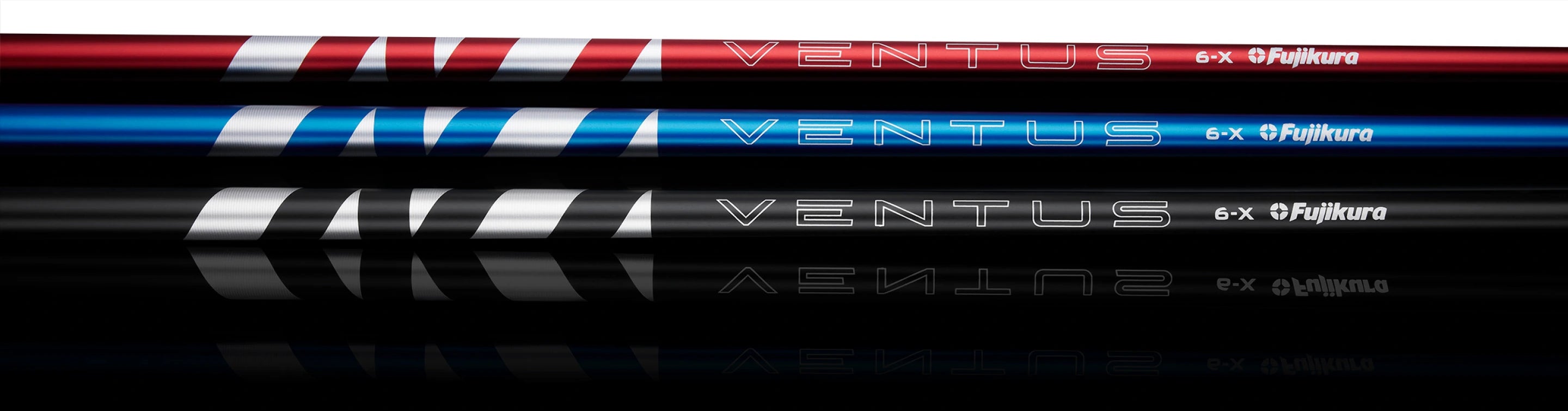
For example, profiles like the Ventus Black or Graphite Design Tour AD XC are built with firmer tip sections to control spin for stronger transitions.
For example, players in the 100–110 mph range often benefit from a stiff or X flex in a 60–70 gram weight class. Stronger players above that range may need even more tip stability to keep launch and spin in check.
The goal is not to drive the ball low. It is to create a penetrating flight that climbs gradually and carries forward instead of straight up.
When the shaft matches your swing speed and tempo, launch stays controlled and spin drops into a playable window.
When It’s the Shaft vs When It’s the Swing
Not every ballooning shot is a shaft problem.
If you are adding loft by flipping your hands at impact or hitting up too aggressively with a high-lofted driver head, spin can climb regardless of the shaft. Poor strike location, especially high on the face, can also change launch and spin numbers.
That said, if your mechanics are consistent and the flight pattern shows up repeatedly, equipment becomes the likely culprit. If you swing 100 mph or more, hit center-face, and still see towering shots with no rollout, the shaft profile deserves attention.
The key difference is consistency. Swing issues usually create random misses. Shaft mismatches create repeatable flight patterns.
Before changing your swing, confirm your swing speed and current shaft specs. If those do not align, the fix is often equipment, not mechanics.
How to Match Swing Speed to the Right Launch Window
Every swing speed has an ideal launch and spin range.

If you swing under 90 mph, higher launch and moderate spin help maximize carry. A mid or mid-high launch shaft often works best.
Between 90 and 100 mph, balance is key. You need enough launch to carry but not so much spin that the ball stalls. Many players here benefit from stable stiff profiles in the 60-gram range.
From 100 to 110 mph, spin control becomes critical. This is where ballooning shows up most. A firmer tip profile in stiff or X flex usually brings launch down and tightens spin.
Above 110 mph, low-launch, low-spin shafts are often required to keep trajectory flat and efficient.
The goal is not the lowest launch possible. It is optimized launch with controlled spin for your specific speed.
Final Thoughts: Lower Spin, More Penetrating Flight
Ballooning drives are not a power problem. They are a spin problem.
When launch and spin are too high for your swing speed, the ball climbs, stalls, and falls with little rollout. That costs total distance and control.
In many cases, the cause is a shaft that is too soft, too light, or too active in the tip section. A properly matched flex, weight, and profile can lower dynamic loft, reduce spin, and create a stronger, flatter trajectory.
Before changing your swing, confirm your swing speed and current shaft specs. If they do not match, adjusting the shaft is often the most direct fix.
The right shaft does not force the ball down. It simply controls spin so your launch window works for you instead of against you.
Frequently Asked Questions About Driver Ballooning and Shaft Selection
What swing speed causes driver ballooning?
Ballooning is not caused by a specific swing speed. It happens when spin and launch are too high for your speed.
That said, players swinging 100 mph or more see it most often. At that speed range, a soft or high-launch shaft can add too much dynamic loft. The ball launches high, spins excessively, and loses forward momentum.
Slower swing speeds under 90 mph rarely experience true ballooning. High launch can actually help those players maximize carry. The issue appears when spin exceeds what your speed can support.
If you are above 100 mph and seeing towering shots with little rollout, the problem is usually a mismatch between swing speed and shaft profile.
Will lowering driver loft fix high launch and spin?
Lowering loft can reduce launch and spin, but it does not always solve ballooning.
Loft changes affect static loft on the clubhead. Ballooning is often caused by dynamic loft, which is the loft delivered at impact. If your shaft is too soft or too active in the tip, it can still add loft even with a lower head setting.
Many players lower loft and still see high spin because the shaft is increasing dynamic loft through impact. In some cases, lowering loft too much can also reduce forgiveness and carry distance.
If launch and spin are both high, the better solution is confirming swing speed, then matching the correct shaft profile and flex first. Loft adjustments should fine-tune ball flight, not compensate for a mismatched shaft.
Is ballooning caused by too much backspin?
Yes. Ballooning is primarily a backspin issue.
When spin rates climb too high for your swing speed, the ball rises quickly and loses forward momentum. Instead of a strong, penetrating flight, the ball climbs steeply and falls almost straight down.
Backspin is necessary. It keeps the ball in the air. The problem begins when spin exceeds the optimal window for your speed. For example, a 105 mph swing producing very high spin will often see towering shots that carry but do not roll.
Spin increases when dynamic loft increases. That can come from a soft shaft profile, too much loft, or inconsistent impact conditions.
If your driver looks powerful but produces no rollout, excessive backspin is usually the reason.
Should I switch to X flex if my driver balloons?
Not automatically.
Switching to X flex can help if your current shaft is too soft for your swing speed and transition. A firmer flex can reduce excess bend, lower dynamic loft, and control spin.
But flex alone does not fix everything. Two X flex shafts can launch very differently depending on weight and tip profile. You could move to X and still see high spin if the profile is mid or high launch.
The right move is confirming your swing speed first. If you are consistently above 105 mph with an aggressive transition, X flex may make sense. If you are in the low 100s, a stable stiff profile might be enough.
The goal is control and proper launch, not just choosing the stiffest label available.
Can a low-spin shaft really add distance?
Yes, if spin is currently too high for your swing speed.
When spin drops into an optimal range, the ball launches strong, climbs gradually, and carries forward. That creates more total distance because the ball does not stall in the air.
For players with excessive spin, a low-launch, low-spin shaft can add both carry and rollout. The flight becomes flatter and more efficient. Distance gains often come from better energy transfer and tighter dispersion, not just lower trajectory.
However, if your spin is already in a good window, going too low can hurt carry and forgiveness.
The goal is optimized spin for your speed, not the lowest spin possible.