
What Is Golf Swing Tempo? And Why It Matters More Than Shaft Flex
What Is Golf Swing Tempo?
Golf swing tempo is the timing and force pattern of your swing, especially how you transition from backswing to downswing. It is not how fast you swing. It is how you apply speed.
Two players can both swing 95 mph and need completely different shafts. Why? Because swing speed is the result. Tempo is the delivery pattern.
Tempo includes three things:
Backswing pace. Transition speed. Load timing.
When you change direction at the top of the swing, the shaft bends. That bend is called shaft deflection. The way you apply force determines how the shaft loads, unloads, and squares the face at impact.
A smooth player applies force gradually. An aggressive player applies force suddenly. The shaft reacts differently to each.
This is why flex alone does not tell the full story. Flex is a category. Tempo is the loading pattern that actually determines how the shaft performs.
Tempo vs Swing Speed: Why They Are Not the Same
Swing speed is simply how fast the clubhead is moving at impact. Tempo is how you get it there.
Think of two players who both swing 95 mph.
Player A has a smooth, gradual transition. The club changes direction slowly and accelerates evenly.
Player B has a quick, aggressive move from the top. The club changes direction fast and loads the shaft hard.
Same speed. Completely different force pattern.

The shaft does not respond to speed alone. It responds to how force is applied during transition.
An aggressive player can overload a softer profile, causing early release, higher spin, or left bias. A smooth player can underload a firm profile, leading to low launch, weak feel, and inconsistent strike.
Swing speed tells you how fast.
Tempo tells you how the shaft behaves.
That difference is what separates guessing from proper fitting.
How the Shaft Actually Loads During the Swing
When you reach the top of your backswing and start down, the shaft bends. This bend is called deflection.

The direction change creates force. The shaft reacts by loading backward, then unloading forward as you approach impact. That load and release affects face angle, dynamic loft, launch, and spin.
If the transition is quick and forceful, the handle sees higher stress. The shaft can deflect more in the mid and tip sections. If the profile is too soft for that load, the face may close early or add dynamic loft.
If the transition is smooth, the shaft loads more gradually. A shaft that is too firm may not fully load, leading to low launch, reduced carry, and a harsh feel.
This is why two players with the same swing speed can see 1 to 2 degrees of launch difference and 300 to 600 rpm spin changes simply from profile mismatch.
Shaft torque also influences how stable the club feels during transition, which we explain in our shaft torque explanation.
The shaft is reacting to timing, not just speed.
Aggressive vs Smooth Transition Profiles
Aggressive Transition
An aggressive tempo usually means a quick change of direction at the top. The downswing starts fast and the handle pulls hard. This creates higher load stress on the shaft.
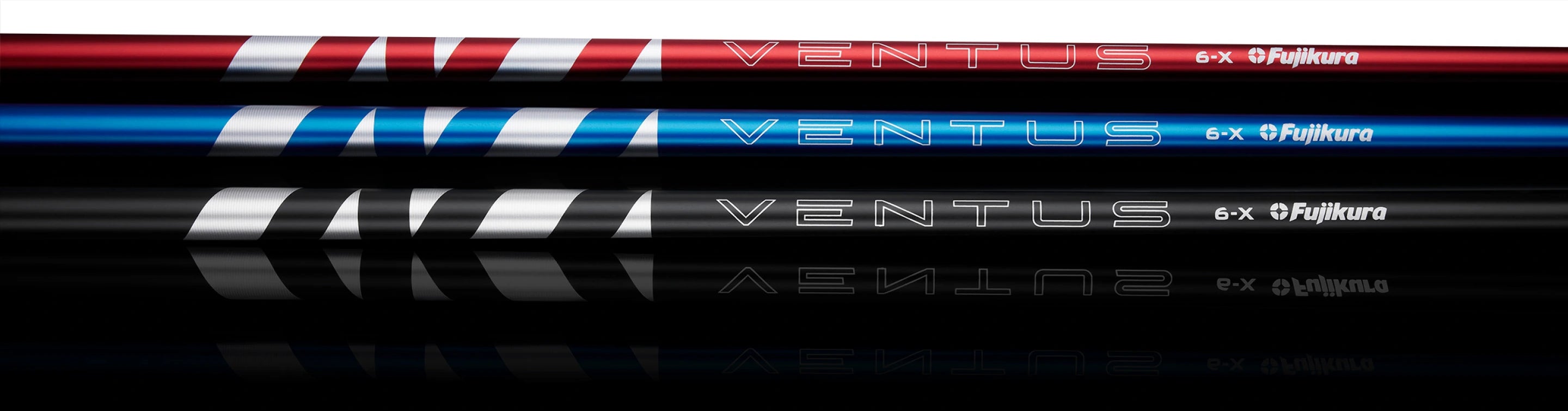
These players often benefit from a firmer handle section and a stable tip. That keeps launch and spin under control and tightens dispersion. Profiles like Ventus Blue or Mitsubishi Tensei 1K Blue are often used in this category because they resist excessive deflection under load.
If the shaft is too soft for this move, you may see higher spin, left misses, or a feeling that the clubhead lags behind.
Smooth Transition
A smooth tempo has a gradual change of direction. Acceleration builds over time instead of all at once. The shaft loads over a longer window.
These players often respond better to a profile with a responsive midsection that can load and release naturally. Something too firm can feel dead and produce low launch.
The key is not aggressive equals stiff. It is how your transition loads the shaft.
How Tempo Affects Launch, Spin, and Dispersion
Tempo directly influences how the shaft delivers the club at impact.
If a shaft is overloaded by an aggressive transition, it can add dynamic loft and close the face early. That may increase launch by 1 to 2 degrees and add 300 to 600 rpm of spin. Dispersion can widen by 8 to 15 yards depending on strike consistency.
If a shaft is underloaded by a smooth player, it may not fully release. Launch can drop, spin can fall too low, and carry distance can suffer. The strike may feel solid but produce a flatter, shorter ball flight.
These differences are not theoretical. They show up on launch monitors every day.
The right tempo match helps stabilize face angle, tighten dispersion, and control spin windows. The wrong match exaggerates misses.
This is why fitting based only on flex and swing speed leaves performance on the table.
How to Identify Your Own Tempo
You can often identify your tempo without a launch monitor.
If your downswing feels quick from the top and you “hit” hard in transition, you likely have an aggressive load pattern. If the club sometimes feels loose or unstable at the top, your current shaft may be too soft for your transition.
If your swing feels smooth and rhythmic with gradual acceleration, you likely have a smooth tempo. If the shaft feels boardy or you struggle to get the ball up, the profile may be too firm for how you load it.
Another sign is ball flight pattern.
Frequent high spin and left misses can point to overload.
Flat, low-launch shots that feel solid but lack carry can point to underload.
The goal is not to label yourself stiff or regular. It is to understand how you apply force.
Choosing a Shaft That Matches Your Tempo
Once you understand your tempo, flex becomes easier to evaluate.
Start with swing speed to narrow the range. Then use tempo to refine the profile.
An aggressive transition often pairs better with a firmer handle and tip section to control deflection. A smooth transition often benefits from a profile that loads and releases more easily through the midsection.
This is where profiles matter more than labels. Two stiff shafts can feel and perform completely different depending on how they are built.
If you are unsure where you fall, review our flex guide, shaft weight guide, and torque explanation to narrow your fit. From there, explore our driver shaft collection or contact us for guidance based on your swing speed and transition.
Tempo first. Flex second.
Final Thoughts: Tempo First, Flex Second
Flex is a label that helps narrow options. Tempo is the pattern that determines how the shaft actually behaves in your hands.
Two golfers can swing the same speed and still need different profiles because they apply force differently in transition. That difference can show up as 1 to 2 degrees of launch, 300 to 600 rpm of spin, and a dispersion gap of 8 to 15 yards.
If you are choosing between shafts like Ventus Blue and Mitsubishi Tensei 1K Blue, do not start with the name or the flex. Start with your tempo and how the shaft feels at the top and through transition. Then confirm the fit with speed, weight, and torque.
Tempo first. Flex second. That is how you stop guessing.
Golf Swing Tempo Frequently Asked Questions
Does swing tempo affect shaft flex choice?
Yes. Swing tempo directly influences which flex and profile will perform best.
Flex is a general stiffness category based largely on swing speed. But tempo determines how much the shaft actually loads during transition.
An aggressive player can overload a softer stiff flex and see higher spin, left misses, or inconsistent face control. A smooth player can underload the same stiff flex and struggle to launch the ball high enough.
This is why two golfers swinging 100 mph may not play the same shaft. One may fit better into a firmer profile within stiff. The other may need a more responsive build even at the same flex.
Tempo refines the decision. Swing speed only starts it.
Can two golfers with the same swing speed need different shafts?
Yes. Swing speed alone does not determine the correct shaft.
Two golfers can both swing 95 mph and require completely different profiles because they load the shaft differently. One may have a smooth transition that applies force gradually. The other may change direction aggressively and stress the shaft harder at the top.
That difference in load timing can change launch by 1 to 2 degrees and shift spin by several hundred rpm. It can also widen or tighten dispersion significantly.
This is why fitting based only on swing speed and flex labels leads to inconsistent results. Tempo explains why two players at the same speed can see very different ball flights.
How Do I Know If My Tempo Is Aggressive or Smooth?
Start by paying attention to your transition.
If your downswing begins with a sudden change of direction and you feel like you “hit” hard from the top, you likely have an aggressive tempo. Players in this category often notice the club feels loose or unstable if the shaft is too soft.
If your swing feels rhythmic and the downswing builds speed gradually, you likely have a smooth tempo. If a shaft feels overly stiff or you struggle to launch the ball, you may not be loading it enough.
Ball flight can also give clues.
High spin and left misses often point to overload.
Low, flat shots with limited carry can point to underload.
Tempo is about how you apply force, not how fast you swing.
Does Tempo Change Launch and Spin Numbers?
Yes. Tempo directly affects how the shaft delivers the club at impact.
If a shaft is overloaded by a quick, aggressive transition, it can add dynamic loft and close the face earlier. That can raise launch by 1 to 2 degrees and increase spin by 300 to 600 rpm. Over time, that also widens dispersion.
If a shaft is underloaded by a smooth transition, it may not release efficiently. Launch can drop, spin can fall too low, and carry distance may decrease even if strike feels solid.
These changes are measurable on a launch monitor. They are not minor differences. Over a round, they can translate into missed fairways and inconsistent distance control.
Matching tempo to shaft profile helps stabilize launch windows and tighten shot patterns.
Should I Fit for Tempo or Swing Speed First?
Start with swing speed to narrow your flex range. Then use tempo to refine the shaft profile.
Swing speed gives you the general stiffness category. Tempo determines how that shaft will actually behave during transition.
If you ignore speed, you risk choosing something outside your playable range. If you ignore tempo, you risk choosing the wrong profile within that range.
The correct approach is layered.
First, confirm your average driver swing speed.
Second, evaluate how you transition from the top.
Third, match the profile to how you load the shaft.
Speed sets the bracket.
Tempo makes the decision.