
Same Swing Speed, Different Launch: Why Two 100mph Golfers Need Different Shafts
Why Two 100mph Golfers Can Launch the Ball Completely Differently
Two golfers can both swing 100mph and still see totally different launch and spin numbers. That’s because swing speed alone does not determine how a shaft performs. It only tells part of the story.
Launch is influenced by how the shaft loads and unloads during the swing. One 100mph player may have a smooth transition and gradual tempo. Another may have an aggressive move from the top that puts much more force into the shaft. Even though the radar reads the same speed at impact, the shaft is experiencing very different stresses during the swing.
That difference changes how much the shaft bends, how it delivers the clubhead, and how much dynamic loft is added at impact. The result is different launch angles, different spin rates, and different ball flights.
This is why two golfers with identical swing speeds often need completely different shaft profiles.
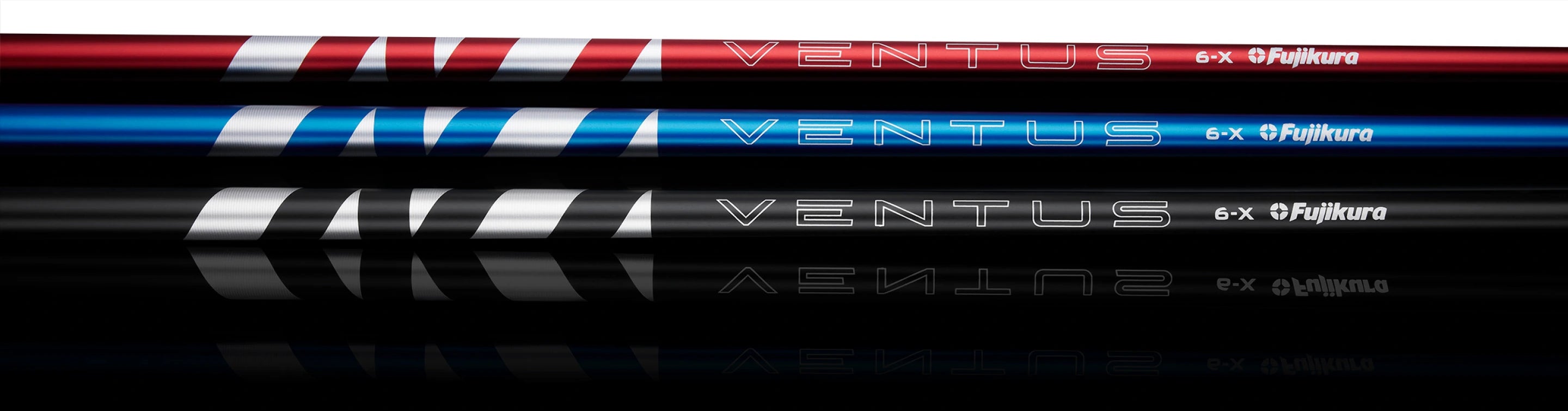
For many 100mph players with a smooth transition, a mid-launch profile like the Ventus Blue can improve carry without increasing spin.

Swing Speed Is Only One Piece of the Fitting Equation
Most golfers shop by swing speed alone. They search “shaft for 100mph” and assume there is one correct answer. That’s not how fitting works.
Swing speed tells us a general flex range. At 100mph, many players fall into stiff flex. But flex is only the starting point. It does not account for transition force, tempo, release timing, or strike pattern.
Two players at 100mph can load the shaft very differently. A smooth player may barely stress a stiff shaft. An aggressive player may overload it and cause excess spin or inconsistent launch.
This is where bend profile matters. Tip stiffness, mid-section stability, and handle stiffness all influence how the shaft reacts under load. That reaction directly affects launch and spin.
Speed gives you a category. Shaft profile fine-tunes performance.
If you are unsure where you fall, start with our full driver shaft flex guide.
Transition and Tempo: The Hidden Difference Between 100mph Players
Transition is how aggressively a golfer moves from the top of the backswing into the downswing. Tempo is the overall rhythm of the swing. At 100mph, this is often the real separator between players.
A smooth 100mph golfer loads the shaft gradually. The shaft does not experience a violent pull from the top. That player often benefits from a mid-launch or slightly softer tip profile that helps maintain proper launch and spin.
An aggressive 100mph golfer applies force early and hard. The shaft bends more under load. If the tip section is too soft, it can add dynamic loft and increase spin. That leads to higher launch and less control.
Same speed. Different load pattern.
This is why two 100mph players can see completely different ball flights with the same shaft. Matching transition and tempo to the right profile is what stabilizes launch and tightens dispersion.
Shaft Profile Differences That Change Launch
Shaft launch is not just about flex. It is about where the shaft is stiff and where it is soft.
A shaft with a softer tip section will generally launch higher and add spin. When the tip section is firmer, it reduces dynamic loft at impact and lowers launch and spin. That is why two stiff-flex shafts can perform completely differently.

Mid-section stiffness also plays a role. A firmer mid section keeps the shaft from overloading during transition. A softer mid can help a smoother player feel the club load and release.
Handle stiffness affects how stable the shaft feels in the hands. Some 100mph players prefer a firm handle for control. Others need more give to avoid feeling boardy.
This is why you cannot choose a shaft at 100mph based on flex alone. You must look at the full bend profile.
Why One 100mph Golfer Needs Mid Launch and the Other Needs Low Launch
At 100mph, launch windows can vary widely.
A smooth 100mph player who launches the ball too low may need a mid-launch shaft profile. A slightly softer tip can help increase dynamic loft and bring launch and carry into an optimal range.
An aggressive 100mph player who already launches the ball high may need a lower launch profile. A firmer tip section helps control dynamic loft, reduce excess spin, and flatten peak height.
The key is matching shaft profile to ball flight, not just swing speed.
If your driver is ballooning, climbing too high, or spinning excessively, a lower launch profile may stabilize flight. If your driver feels flat and struggles to stay in the air, a mid-launch option may improve carry distance.
Same speed. Different needs. Launch optimization is about controlling delivery, not chasing flex labels.
How to Choose the Right Shaft at 100mph Swing Speed
Start with flex range. At 100mph, most golfers test into stiff flex. That gives you a baseline.
Next, evaluate your transition. If you have a smooth tempo and gradual move from the top, you likely do not need an ultra-stable tip section. A mid-launch profile often produces better carry and feel.
If your transition is aggressive and you tend to see high spin or left misses, you may need a firmer tip and lower launch profile to stabilize impact.
Then look at ball flight. Is your launch too low? Too high? Is spin climbing above optimal range? Shaft profile should solve a visible problem.
Do not buy based on swing speed alone. Match flex first. Then match bend profile to transition and ball flight.
Frequently Asked Questions About 100mph Swing Speed and Shaft Choice
Is 100mph swing speed stiff or regular flex?
For most golfers, 100mph fits into the stiff flex range. That is the typical starting point for driver fitting.
However, flex is not determined by speed alone. A smooth 100mph player may test well in a softer stiff or even a firm regular depending on transition and delivery. An aggressive 100mph player may need a stronger stiff profile to control spin and dispersion.
Flex labels are not standardized across brands. One company’s stiff can feel softer or firmer than another. That is why relying only on swing speed can be misleading.
At 100mph, stiff flex is usually correct. The real performance difference comes from choosing the right bend profile within that flex.
Why do I hit different launch numbers than my friend with the same swing speed?
Because swing speed does not control how the shaft loads.
Two golfers at 100mph can apply force very differently. One may have a smooth transition that loads the shaft gradually. The other may pull hard from the top and create more shaft deflection. That changes dynamic loft and spin at impact.
Strike location also matters. A slight difference in face contact can raise or lower launch even if club speed is identical.
If you and your friend are playing the same shaft, one of you is likely mismatched. Same speed does not mean same shaft profile. Transition, tempo, and delivery determine launch more than the radar number alone.
Can shaft profile change launch without changing loft?
Yes.
Loft stamped on the head is static loft. What matters more is dynamic loft at impact. That is the actual loft delivered to the ball.
Shaft profile influences how much the tip section bends during the downswing. A softer tip can add dynamic loft and increase launch and spin. A firmer tip reduces added loft and keeps launch flatter.
This is why two golfers using the same driver head and loft can see different launch windows when switching shafts.
If your launch is too high or too low, you do not always need a different lofted head. Sometimes the correct shaft profile fixes the issue while keeping the same driver.
Should a 100mph golfer play a low spin shaft?
Not automatically.
Low spin shafts are designed to reduce dynamic loft and stabilize aggressive transitions. They work well for 100mph players who launch the ball too high or see excessive spin.
But if your launch is already low, a low spin profile can make the problem worse. You may lose carry distance and see a flatter flight that falls out of the air.
At 100mph, the goal is optimized launch and spin, not simply “low spin.” Many players in this speed range perform best in mid-launch, mid-spin profiles.
Choose a low spin shaft only if your ball flight shows you need it. Swing speed alone does not justify it.
How do I know if my transition is aggressive or smooth?
Start with ball flight and feel.
If you feel like you pull hard from the top and your misses tend to be high spin or left, you likely have a more aggressive transition. These players often benefit from firmer tip and mid-section profiles that resist overloading.
If your swing feels rhythmic and controlled and your common miss is low launch or weak fades, you likely have a smoother transition. These players often perform better with mid-launch profiles that help maintain carry.
Launch monitor data also helps. If spin climbs quickly or peak height is excessive at 100mph, that can signal the shaft is too soft for your load pattern.
The easiest test is comparing two shaft profiles in the same lofted head. Your launch, spin, and dispersion will quickly reveal which one matches your transition.