
Graphite vs Steel Iron Shafts: Which One Fits Your Swing and Distance Best?
Graphite vs Steel Iron Shafts: The Quick Answer
The main difference between graphite and steel iron shafts comes down to weight, feel, and how they influence distance and control.
Steel iron shafts are typically heavier and more stable, which is why many stronger or faster players prefer them. The extra weight can help golfers maintain consistent tempo and strike location, which often leads to tighter dispersion and more predictable distance control.
Graphite iron shafts are significantly lighter, sometimes 30–50 grams lighter than steel. That weight reduction can help many players generate more clubhead speed and slightly more distance, especially golfers with moderate swing speeds or players who want to reduce fatigue during a round.
The key point many golfers miss is that the best choice is not just about strength. It depends on how your swing loads the shaft and how much speed you can create with the iron.
Players seeking maximum consistency and feedback often perform better with steel. Players trying to gain speed, launch, or distance frequently benefit from graphite.
What Steel Iron Shafts Do Best
Steel iron shafts have been the standard in irons for decades because they provide stability, consistency, and precise distance control.
Most steel shafts weigh 90 to 130 grams, which helps golfers maintain a controlled tempo during the swing. That added weight can make the club feel more connected throughout the motion, helping players return the clubface to the ball more consistently.
This is why steel shafts are common among lower-handicap golfers and players with faster swing speeds. The heavier profile tends to reduce excessive shaft movement, which can lead to more predictable launch, spin, and shot shape.
Steel also provides stronger feedback at impact. Golfers often feel exactly where the ball was struck on the face, which can help with improving ball striking over time.
However, steel shafts can sometimes cost golfers distance if the weight slows their swing speed or causes fatigue late in the round.
In simple terms, steel shafts are usually best for players who prioritize accuracy, control, and consistent iron distance.
What Graphite Iron Shafts Do Best

Graphite iron shafts are designed to reduce weight and help golfers create more speed. Most graphite iron shafts weigh 50 to 90 grams, which is much lighter than traditional steel shafts.
That weight reduction can allow many players to swing faster and launch the ball higher, which often results in more carry distance. Golfers with moderate swing speeds, smoother tempos, or players who struggle to generate height with their irons often benefit the most.
Another advantage of graphite is vibration reduction. Graphite naturally absorbs more impact vibration than steel, which can make the club feel smoother at contact. This is one reason graphite is commonly recommended for players who experience hand, wrist, or elbow discomfort.
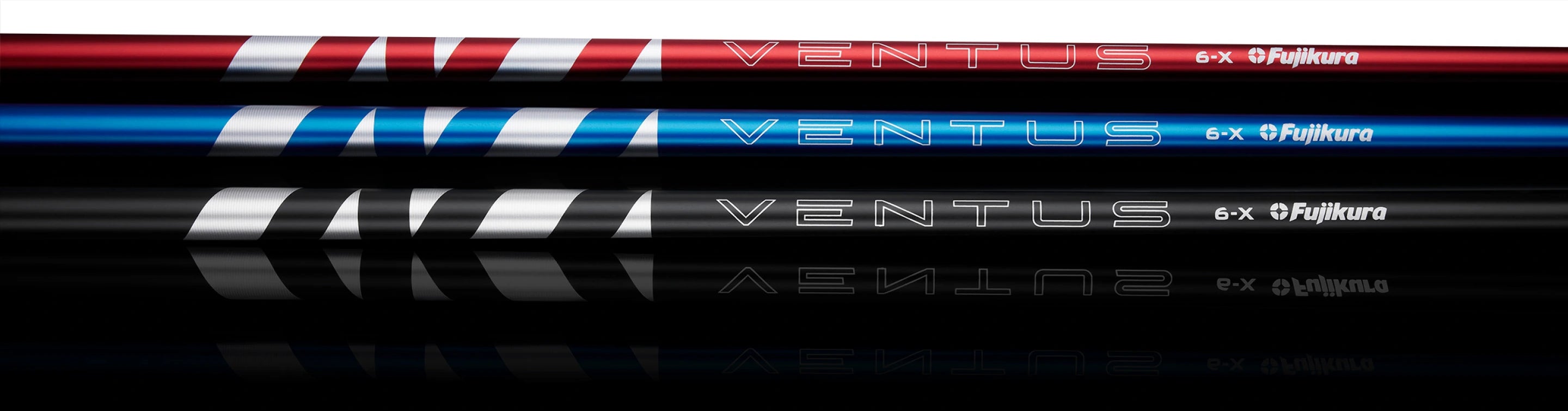
Modern graphite iron shafts have also become significantly more stable than older designs. Premium options like the Fujikura Axiom iron shafts are designed to deliver graphite speed with the stability many players expect from steel.
However, because graphite is lighter, some players may feel less control if the shaft is not properly fit to their swing.
How Shaft Weight Changes Distance and Ball Flight

Shaft weight is one of the biggest factors that separates graphite and steel iron shafts, and it can directly influence both distance and ball flight.
Heavier shafts, like most steel models, tend to slow swing speed slightly but improve control. The extra weight can help golfers maintain rhythm and deliver the club more consistently. For many players, this leads to tighter dispersion and more predictable iron distances, even if raw distance is slightly lower.
Lighter shafts, like graphite, often allow golfers to swing faster. Even a small increase in clubhead speed can translate into several extra yards of carry with irons. Lighter shafts also tend to help players launch the ball higher, which can make it easier to hold greens.
However, more speed is not always better. If the shaft becomes too light for a player’s tempo, the club can arrive at impact inconsistently, which may lead to distance gaps or directional misses.
That is why shaft weight should always match the golfer’s tempo, strength, and timing, not just their desire for more distance.
Swing Speed and Tempo: The Real Reason Graphite or Steel Works Better
Swing speed alone does not determine whether graphite or steel iron shafts perform better. Tempo and how a player loads the shaft during the swing are just as important.
Golfers with faster swing speeds and aggressive transitions often perform better with steel shafts because the added weight and stability keep the club from over-flexing. This helps control launch and keeps iron distances more consistent.
Players with moderate swing speeds or smoother tempos often benefit from graphite shafts. The lighter weight can help increase club speed and improve launch, which may add a few yards of carry with mid and long irons.
Another factor is how easily a player can repeat their swing. Some golfers simply time heavier shafts better, while others swing more freely with lighter ones.
The key takeaway is that two golfers with the same swing speed may perform very differently depending on tempo, timing, and shaft weight.
When Graphite Irons Add Distance (And When They Do Not)
Graphite iron shafts often add distance because their lighter weight can help golfers generate more clubhead speed. For many players, even a small speed increase can translate into 5 to 10 extra yards with mid irons.
Graphite also tends to help golfers launch the ball higher. That added launch can increase carry distance, especially for players who struggle to get enough height with long irons.
However, graphite does not automatically mean more distance. If the shaft is too light for the golfer’s tempo, the club can arrive at impact inconsistently. That can lead to poor strikes, inconsistent spin, and distance gaps between irons.
Some players also swing heavier steel shafts more efficiently because the weight helps them maintain rhythm. In those cases, switching to graphite may actually reduce consistency or distance control.
Graphite tends to add the most distance for players who need help with speed, launch, or reducing fatigue during a round.
When Steel Irons Improve Control and Consistency
Steel iron shafts often improve control because their heavier weight helps stabilize the swing. Many players find it easier to maintain rhythm when the club has more weight throughout the motion.
That stability can lead to more centered strikes and tighter dispersion. When impact location becomes more consistent, golfers often see more predictable iron distances and improved shot control.
Steel shafts also tend to produce more consistent launch and spin numbers. Because the shaft deflects less during the swing, the clubhead returns to the ball in a more repeatable position. This is one reason many competitive players still rely on steel for their irons.
Another advantage is impact feedback. Steel shafts transmit more vibration through the hands, which helps golfers feel exactly where the ball was struck on the face. Over time, this feedback can help players improve ball striking.
Steel irons usually work best for golfers who value precision, consistent yardages, and tighter shot patterns.
How to Choose the Right Iron Shaft for Your Swing
Choosing between graphite and steel iron shafts comes down to weight, swing speed, and how consistently you strike the ball.
Choosing between graphite and steel iron shafts comes down to weight, swing speed, and how consistently you strike the ball.
If you are still unsure about the correct flex for your irons, start with our Iron Shaft Flex Guide to understand how swing speed and tempo affect shaft selection.
Golfers who swing their irons under about 85–90 mph with a 6-iron often benefit from graphite shafts. The lighter weight can help create more speed and launch, which can lead to higher shots and more carry distance.
Players who swing faster or have a more aggressive transition frequently perform better with steel shafts. The added weight and stability help control the club during the swing and produce more predictable distance and shot dispersion.
Another factor is how the club feels during the swing. Some golfers naturally time heavier shafts better, while others swing more freely with lighter graphite models.
The best approach is to choose a shaft that helps you produce consistent contact, reliable distance gaps, and a ball flight you can control.
Graphite vs Steel Iron Shafts: Common Questions Golfers Ask
Do Graphite Iron Shafts Hit the Ball Farther Than Steel Shafts?
Graphite iron shafts can help some golfers hit the ball farther, but the added distance usually comes from lighter weight rather than the material itself.
Because graphite shafts are often 30 to 50 grams lighter than steel, many players can swing them slightly faster. Even a small increase in speed can lead to a few extra yards of carry with mid and long irons.
Graphite shafts also tend to produce higher launch, which can help players keep the ball in the air longer and improve carry distance.
However, graphite does not automatically create more distance. If the shaft becomes too light for a golfer’s tempo, it can reduce strike quality and lead to inconsistent yardages.
For players who already generate strong speed and consistent contact, steel shafts may actually produce more reliable distance control, even if the raw distance is similar.
Are Steel Iron Shafts More Accurate Than Graphite?
Steel iron shafts are often considered more accurate because their heavier weight helps stabilize the swing. Many golfers find it easier to control the clubface and repeat their timing with a heavier shaft.
Steel also tends to produce very consistent launch and spin numbers, which helps create predictable iron distances and tighter shot patterns.
However, accuracy is not determined by material alone. A golfer who swings faster or more freely with a graphite shaft may actually hit more consistent shots with graphite if the weight and flex match their swing.
Modern graphite iron shafts have also improved dramatically. Many premium graphite models are now designed to provide high stability and precise control, similar to steel.
In practice, the most accurate shaft is simply the one that matches your swing speed, tempo, and strike pattern.
Who Should Switch From Steel Irons to Graphite Shafts?
Golfers should consider switching from steel to graphite iron shafts when speed, launch, or comfort becomes a limitation.
Players who struggle to generate enough height with their irons often benefit from graphite because the lighter weight can help create more club speed and higher launch. This can make mid and long irons easier to carry and stop on the green.
Graphite is also a common upgrade for golfers who experience hand, wrist, or elbow discomfort. The material absorbs more vibration at impact, which can make irons feel significantly smoother.
Another group that benefits from graphite is players whose iron swing speed is moderate and who feel that heavier shafts slow down their tempo.
However, golfers with aggressive transitions or who rely on heavier weight for timing may still perform better with steel.
The goal is to choose the shaft that produces consistent contact and reliable distance gaps, not just the lightest option.
What Swing Speed Should Use Graphite Iron Shafts?
Swing speed is a helpful guideline when deciding between graphite and steel iron shafts, but it is not the only factor.
Golfers with a 6-iron swing speed under about 85–90 mph often benefit from graphite shafts. The lighter weight can help increase clubhead speed, improve launch, and make it easier to carry longer irons.
Players in the 90–95 mph range with a 6-iron can perform well with either graphite or steel depending on their tempo and strike consistency. Some golfers gain distance and launch with graphite, while others prefer the stability of steel.
Golfers swinging above 95 mph with a 6-iron frequently prefer steel shafts because the added weight helps control the club and maintain consistent distance.
The most important factor is how well the shaft helps you deliver the club consistently and control your iron distances.
Are Graphite Iron Shafts Only for Seniors?
Graphite iron shafts are often associated with senior golfers, but that idea is outdated.
Modern graphite shafts are used by a wide range of players, including competitive amateurs and professionals. Advances in materials and construction have made graphite much more stable than older designs, allowing manufacturers to produce models that maintain control while still reducing weight.
Many younger players choose graphite because it can increase clubhead speed and launch, especially in long irons. This can make it easier to hit higher shots that carry farther and hold greens.
Graphite is also popular among golfers who want to reduce fatigue during a round or minimize vibration at impact.
Steel still remains common among players who prefer a heavier feel and very precise distance control, but graphite is no longer limited to one type of golfer.