
Driver Shaft Length Explained: Does a Shorter or Longer Driver Shaft Actually Add Distance?
Does a Longer Driver Shaft Actually Increase Distance?
In theory, a longer driver shaft can increase distance. A longer club creates a wider swing arc, which can increase clubhead speed. More speed can translate to more distance.
But in real golf swings, it rarely works that simply.
The problem is center contact. As shaft length increases, the club becomes harder to control. Even a small miss on the face can cost significant ball speed. A longer shaft may produce more swing speed, but if strike quality drops, distance often goes down instead of up.
This is why many golfers actually hit the ball farther with a slightly shorter driver shaft. When contact moves closer to the center of the face, ball speed increases and dispersion improves.
Tour players understand this tradeoff. Many professionals play driver shafts around 44.5 to 45 inches, even though retail drivers are often built closer to 45.75 or 46 inches.
Distance does not come from shaft length alone. It comes from the combination of swing speed, strike quality, and control, which is why understanding shaft flex and swing speed matching is also important when fitting a driver.
Why Tour Players Often Use Shorter Driver Shafts
Most golfers assume tour players use the longest driver shafts possible to create maximum distance. In reality, many professionals choose slightly shorter driver shafts.
The reason is control.
A shorter driver shaft makes it easier to return the club to the center of the face. When strike location improves, ball speed becomes more consistent. That consistency often produces more usable distance over the course of a round.
Even a small miss toward the toe or heel can reduce ball speed and change launch conditions. A driver that is slightly shorter helps players tighten dispersion and maintain center contact more often.
This is why many tour players use drivers around 44.5 to 45 inches, even though most retail drivers are sold closer to 45.75 to 46 inches.
The goal at the highest level is not just maximum swing speed. It is maximum ball speed with consistent center strikes.
The Real Tradeoff: Distance vs Center Contact

Driver shaft length always comes down to one tradeoff: swing speed versus center contact.
A longer shaft can increase swing speed because the club travels on a larger arc. Even a small increase in speed can theoretically add a few yards of distance.
But longer shafts also make the club harder to control.
When the shaft gets longer, strike consistency usually drops. More shots start missing the center of the face. Even small misses toward the toe or heel can reduce ball speed and launch efficiency.
That is why distance gains from a longer shaft often disappear.
For many golfers, a slightly shorter driver shaft produces better contact, tighter dispersion, and more consistent ball speed. When the strike moves closer to the center, distance often increases even if swing speed stays the same.
The key idea is simple.
Distance is not just about swinging faster. It is about how efficiently the club transfers energy into the ball.
How Shaft Length Affects Swing Speed and Ball Speed

Shaft length directly affects swing speed, but it also affects how consistently you deliver the club to the ball.
A longer shaft increases the radius of the swing. In theory, that larger arc allows the clubhead to travel faster through impact. Even a small increase in speed can add distance if the strike remains solid.
But ball speed is what actually creates distance.
Ball speed comes from how efficiently the clubface strikes the ball. When contact drifts away from the center of the face, energy transfer drops and ball speed falls quickly.
This is where shaft length becomes important. Longer shafts may increase swing speed, but they also increase the difficulty of delivering the club squarely and striking the center of the face.
For many golfers, a slightly shorter driver shaft produces higher average ball speed because center contact becomes more consistent.
In other words, distance is created by ball speed from centered strikes, not just raw swing speed.
Who Should Consider a Shorter Driver Shaft
A shorter driver shaft can help golfers who struggle with strike consistency or directional control.
If you frequently miss the center of the face, especially toward the toe or heel, a slightly shorter driver can make the club easier to control through impact. Better control usually leads to more centered strikes, which improves ball speed and consistency.
Players who fight wide dispersion off the tee may also benefit. When the driver becomes easier to square up, both accuracy and confidence often improve.
Golfers with aggressive tempo can also gain stability from a shorter build. The club becomes easier to sequence during the swing, which helps keep the face more predictable through impact.
In many cases, moving from a 46 inch driver down to around 45 to 45.25 inches can noticeably tighten strike pattern and dispersion without sacrificing meaningful swing speed.
For many golfers, the result is more playable distance and more fairways hit.
When a Longer Driver Shaft Might Help
A longer driver shaft can help certain golfers generate more clubhead speed, especially players who already strike the ball consistently near the center of the face.
Golfers with smooth tempo and good control of the club through impact may benefit from a slightly longer build. Because their strike pattern is already stable, the extra shaft length can add swing speed without hurting contact quality.
This can lead to small increases in ball speed and total distance.
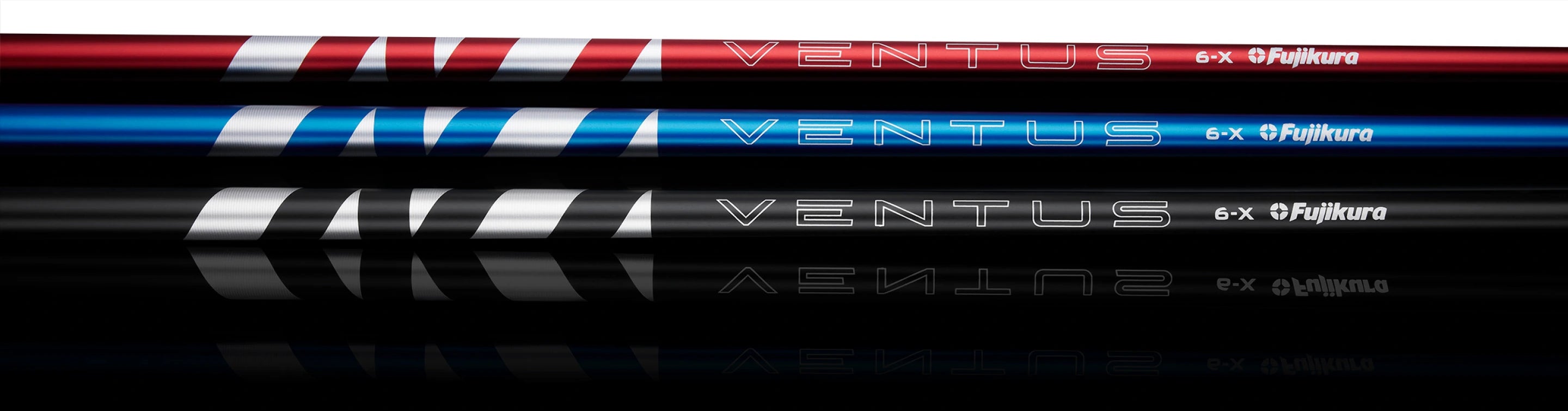
Many players who want to maintain stability at longer driver lengths look for low-torque, tip-stable shafts like the Fujikura Ventus Black or Graphite Design Tour AD XC.
Longer shafts may also help golfers with slower swing speeds who are trying to gain additional speed. The longer arc of the swing can sometimes help create a few extra miles per hour if the player can still return the club squarely to the ball.
However, the key condition is control.
If strike quality begins to drop, the distance gains from extra swing speed usually disappear. That is why longer driver shafts only work well for golfers who can maintain consistent center contact.
The Right Driver Shaft Length for Your Swing Speed and Control
There is no single driver shaft length that works for every golfer. The right length depends on how well you balance speed and center contact.
Golfers who already strike the center of the face consistently can sometimes benefit from a slightly longer driver. The added swing arc may create a small increase in clubhead speed and distance.
But for many players, a slightly shorter driver shaft produces better results. When the club becomes easier to control, strike quality improves. More centered contact increases ball speed and often leads to more consistent distance.
This is why many fitters focus on strike pattern first, not just swing speed.
If your driver strikes are scattered across the face or your dispersion is wide, shortening the shaft slightly can help tighten both.
Distance comes from efficient impact. The best driver length is the one that allows you to deliver the club fast and centered as often as possible.