
Driver Shaft Kick Point Explained: Does High vs Low Kick Point Actually Matter?
What Is Kick Point in a Golf Shaft?
Kick point refers to the area of a golf shaft that bends the most during the swing. You will also hear it called bend point.

When the shaft loads during the downswing and then releases through impact, different parts of the shaft flex differently. The location of that maximum bend is the kick point.
Manufacturers usually categorize shafts into low kick point, mid kick point, and high kick point.
A low kick point shaft bends more toward the tip section. This generally helps the clubhead add dynamic loft at impact, which can increase launch and spin.
A high kick point shaft bends more toward the handle section. Because the tip stays firmer, the ball typically launches lower with less spin.
In practice, kick point is one of several design factors that influence ball flight. It works together with shaft flex, tip stiffness, torque, and weight to determine how a driver launches.
For most golfers, kick point mainly affects launch window and trajectory, not raw swing speed or power.
High vs Low Kick Point: What’s the Difference?
The difference between high and low kick point shafts comes down to where the shaft bends and how that affects ball flight.
A low kick point shaft bends more toward the tip section near the clubhead. When the shaft unloads through impact, that added tip bend helps the head add loft. The result is typically higher launch and more spin.
Golfers who struggle to get the ball airborne or who see very low launch angles sometimes benefit from this type of profile.
A high kick point shaft bends closer to the handle section. Because the tip is stiffer, the clubhead adds less dynamic loft at impact. This usually produces lower launch and lower spin.
Players with faster swing speeds or those fighting a high, spinning ball flight often move toward higher kick point profiles to keep the trajectory under control.
In simple terms:
Low kick point = higher launch
High kick point = lower launch
But kick point alone does not determine ball flight. Tip stiffness and overall shaft profile usually have a larger effect.
How Kick Point Affects Launch and Spin

Kick point mainly influences how the ball launches off the driver face.
A low kick point shaft bends more in the tip section during the downswing. When the shaft releases through impact, that added tip movement increases dynamic loft, which usually produces higher launch and more spin.
A high kick point shaft keeps the tip section firmer. Because the tip bends less, the clubhead adds less loft at impact. The typical result is lower launch and reduced spin.
This is why golfers with naturally high ball flight often prefer higher kick point shafts. They help keep the trajectory flatter and more controlled.
Golfers who struggle to get the ball airborne may see better results from a lower kick point profile because it can help the ball launch easier.
However, kick point should not be viewed in isolation. Tip stiffness, shaft weight, torque, and flex profile all work together to influence launch and spin. In many modern shafts, these factors matter more than kick point alone.
Does Kick Point Actually Change Distance?
Kick Point vs Shaft Flex: What Golfers Confuse
Kick point and shaft flex are often mixed up, but they describe two different things.
Shaft flex refers to how much the shaft bends overall during the swing. Categories like regular, stiff, and extra stiff describe the total stiffness of the shaft.
Kick point describes where the shaft bends the most, not how much it bends.
A golfer could use a stiff shaft with a low kick point or a stiff shaft with a high kick point. Both shafts would have the same flex rating, but the ball flight could be different because the bend profile is different.
This is why simply choosing the right flex does not guarantee the best ball flight. Two shafts labeled “stiff” can launch very differently depending on the tip stiffness and kick point design.
For most golfers, flex should be matched to swing speed and tempo first, while kick point helps fine tune launch and trajectory.
Who Should Use a High Kick Point Shaft?
High kick point shafts are typically better for golfers who already produce high launch or excess spin with their driver.
Because the shaft bends more toward the handle, the tip section stays firmer through impact. This tends to lower dynamic loft and can help produce a flatter ball flight with less spin.
Players with faster swing speeds often fall into this category. When speed increases, the ball can launch too high and lose efficiency. A higher kick point profile can help keep the trajectory under control.
Golfers who see shots that balloon, climb too quickly, or lose distance into the wind may also benefit from this type of shaft profile.
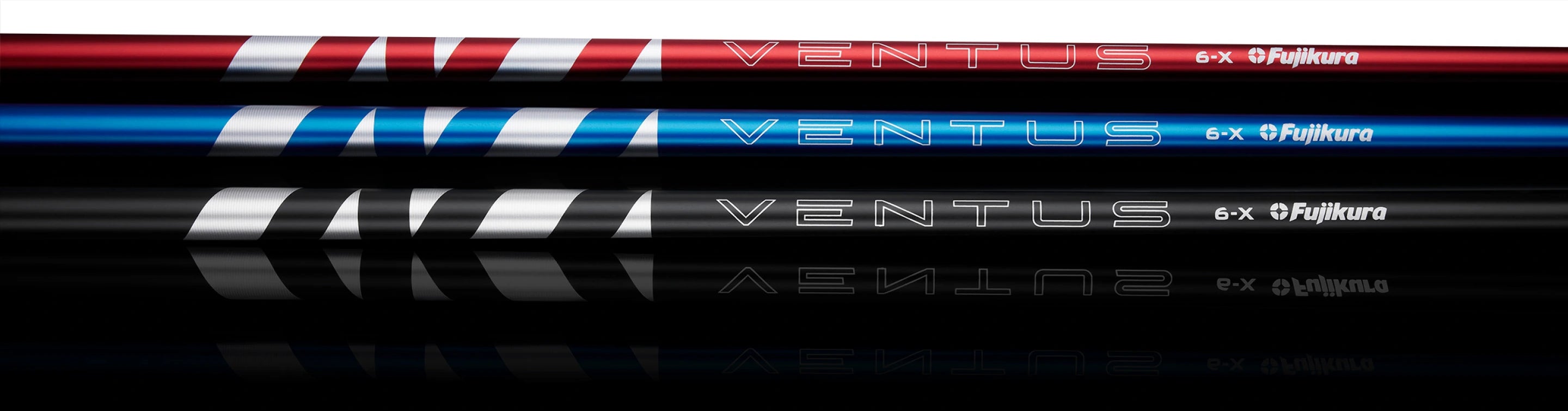
Examples of high kick point, low-launch driver shafts include the Fujikura Ventus Black and Graphite Design Tour AD XC.
High kick point shafts are commonly used by players who want a penetrating flight and tighter trajectory control off the tee.
Who Should Use a Low Kick Point Shaft?
Low kick point shafts are often a good fit for golfers who struggle to get the driver launching high enough.
Because the shaft bends more toward the tip section, it helps add dynamic loft at impact. This can make it easier to launch the ball higher and keep it in the air longer.
Players with moderate or slower swing speeds sometimes benefit from this profile because it helps maximize carry distance.
Golfers looking for higher launch profiles often explore shafts like the Fujikura Ventus Blue or Mitsubishi Tensei 1K Blue.
Golfers who see shots that launch very low, fall out of the air quickly, or produce too little spin may also gain performance from a lower kick point design.
A low kick point shaft can help create a higher launch window, which often improves carry distance for players who are not getting enough height from their driver.
Driver Shaft Kick Point Frequently Asked Question
Does kick point affect driver distance?
Kick point can affect distance, but only indirectly. What it mainly changes is launch angle and trajectory. A low kick point shaft tends to launch the ball higher, while a high kick point shaft usually produces a lower flight. Distance improves only when that launch change helps you reach a better launch and spin window. For example, if a golfer launches the driver too low, a lower kick point shaft may increase carry distance by helping the ball stay in the air longer. If the ball launches too high with too much spin, a higher kick point shaft may improve distance by flattening the trajectory. Kick point itself does not create more power. It simply helps optimize how the ball flies after impact.
What kick point is best for high swing speed golfers?
Golfers with higher swing speeds often perform better with shafts that have a higher kick point. These shafts keep the tip section firmer through impact, which tends to lower launch and reduce spin. Faster players commonly generate plenty of height and spin already, so a high kick point profile can help produce a flatter, more penetrating ball flight. This can improve control and sometimes increase distance by keeping the trajectory more efficient.
Is kick point the same as shaft flex?
Kick point and shaft flex describe different aspects of a shaft’s design. Shaft flex refers to how much the shaft bends overall during the swing and is categorized as regular, stiff, or extra stiff. Kick point refers to where the shaft bends the most during the swing. A golfer can have a stiff shaft with a low kick point or a stiff shaft with a high kick point. Both shafts may have the same flex rating but produce different launch characteristics because the bend profile is different.
Do modern shafts still use kick point as a fitting factor?
Kick point is still discussed in shaft design, but modern fitting usually focuses more on the overall shaft profile. Factors like tip stiffness, mid-section stability, torque, and weight often have a larger impact on launch and spin than kick point alone. Many modern shafts are engineered with complex bend profiles, so the simple high versus low kick point description is more of a general guideline than a precise fitting metric.
How do you know if you need a high or low kick point shaft?
The best way to determine the right kick point is by looking at your launch conditions. Golfers who hit the ball too low and struggle to keep drives in the air may benefit from a lower kick point profile that helps increase launch. Players who hit the ball too high or generate excessive spin may see better results from a higher kick point shaft that keeps the trajectory flatter. Launch monitor data and real ball flight are the most reliable ways to make this decision.