
Driver Launching Too Low? What Shaft Specs Actually Fix Low Launch
Why Your Driver Is Launching Too Low
If your driver comes out flat and never seems to climb, you are probably launching it below your optimal window. For most golfers, ideal driver launch sits between 12 and 15 degrees depending on swing speed. If you are consistently under that, you are losing carry distance.
Low launch usually comes from one of three things: low dynamic loft at impact, too little shaft kick, or a profile that is built to keep the ball down. Many players move into a low spin, tip-stiff shaft because they heard it is “better,” then wonder why the ball flies low and falls out of the air.
The right shaft can help add dynamic loft at impact. Softer tip sections, slightly lighter weights, or the correct flex for your transition can all help the head deliver more launch without changing your swing.
How Low Launch Hurts Distance and Carry
Low launch is not just about trajectory. It is about lost carry.
If your ball launches too low, it spends less time in the air. That means shorter carry distance, especially if you play in soft conditions. Even if roll looks decent on firm fairways, you are leaving yards on the table.
Most golfers focus only on spin. But launch and spin work together. A player swinging 95 to 105 mph who launches at 9 or 10 degrees is almost always under-optimized. The ball comes out hot but never climbs high enough to maximize carry.
The result is a flight that looks strong but actually falls short of its potential. You might feel like you are hitting it solid, but the numbers tell a different story.
The fix is not swinging harder. It is delivering more dynamic loft through the right shaft profile.
The Shaft Specs That Actually Raise Launch
If you need more launch, you are not just looking for “more flex.” You are looking at three specific specs: flex profile, weight, and tip stiffness.
First is bend profile. A shaft with a softer tip section adds more kick through impact. That increases dynamic loft and helps the ball launch higher without you changing your swing.
Second is weight. Heavier shafts often lower launch because they reduce clubhead speed and make it harder to deliver loft. Dropping 5 to 10 grams can raise launch for many mid-speed players.
Third is overall flex relative to your tempo. If you are playing too stiff for your transition, the shaft may not load properly. That reduces launch and makes the flight look flat.
Launch is about how the head is delivered at impact. The right shaft helps you deliver more loft naturally.
How Flex Impacts Dynamic Loft
Flex is not just about swing speed. It is about how the shaft loads and unloads during your transition.
If you are playing a shaft that is too stiff for your tempo, it will not bend enough during the downswing. That means less forward kick at impact. Less kick equals less dynamic loft. The result is a lower launch.
On the other hand, a properly matched flex will load during the transition and release through impact. That forward bend adds a small but important amount of loft to the clubface at strike.
For players in the 85 to 100 mph range, being one flex too stiff is a common reason for low launch. It feels stable, but the ball comes out flat.
The goal is not the softest shaft possible. It is the correct flex that matches your swing speed and transition pattern.
How Shaft Weight Influences Launch Window
Shaft weight affects more than feel. It changes how you deliver the club.
Heavier shafts can lower launch for many players because they reduce speed and make it harder to fully load the shaft. If you cannot create enough bend, you lose dynamic loft.
For example, a player swinging 95 mph with a 70 gram stiff shaft may struggle to get the ball airborne. That same player in a 60 or even 55 gram shaft often sees launch increase immediately.
Lighter weight can increase speed slightly and improve the shaft’s ability to kick through impact. That combination raises launch without forcing a swing change.
The mistake is assuming heavier equals better. Weight must match your strength and tempo. If your driver launches too low, you may simply be playing something too heavy.
Tip Section and Bend Profile Explained
The tip section of the shaft has a direct effect on launch.
A tip-stiff profile is designed to keep the head from adding loft at impact. That helps control spin and flight for stronger players. But for mid-speed golfers, it often produces a flat, low launch.
A softer tip section allows more forward bend through impact. That adds dynamic loft and raises initial launch. The ball starts higher without needing to change your attack angle.
This is why two shafts with the same listed flex can launch very differently. One may be mid-launch with a responsive tip. The other may be low-launch with a very stable tip section.
If your driver is launching too low, the issue is often not overall flex. It is that you are in a tip-stiff, low-launch profile built for higher speed players.
What Swing Speed Needs More Launch
Launch is tied directly to swing speed.
Players under 95 mph typically need more launch to maximize carry. If they launch under 12 degrees, they are almost always losing distance. These players benefit from mid or high launch profiles with a responsive tip section.
Players in the 95 to 105 mph range usually optimize around 12 to 14 degrees depending on spin. If launch drops into single digits, distance suffers quickly.
Only higher speed players above 110 mph can consistently launch low and still carry the ball efficiently. Even then, it depends on spin and attack angle.
If your speed is moderate and your driver launches low, the shaft should help you add loft, not take it away.
Matching launch window to swing speed is where distance actually comes from.
Best Shaft Profiles for Low Launch Players
If your driver is launching too low, you need a profile built to add launch, not control it.
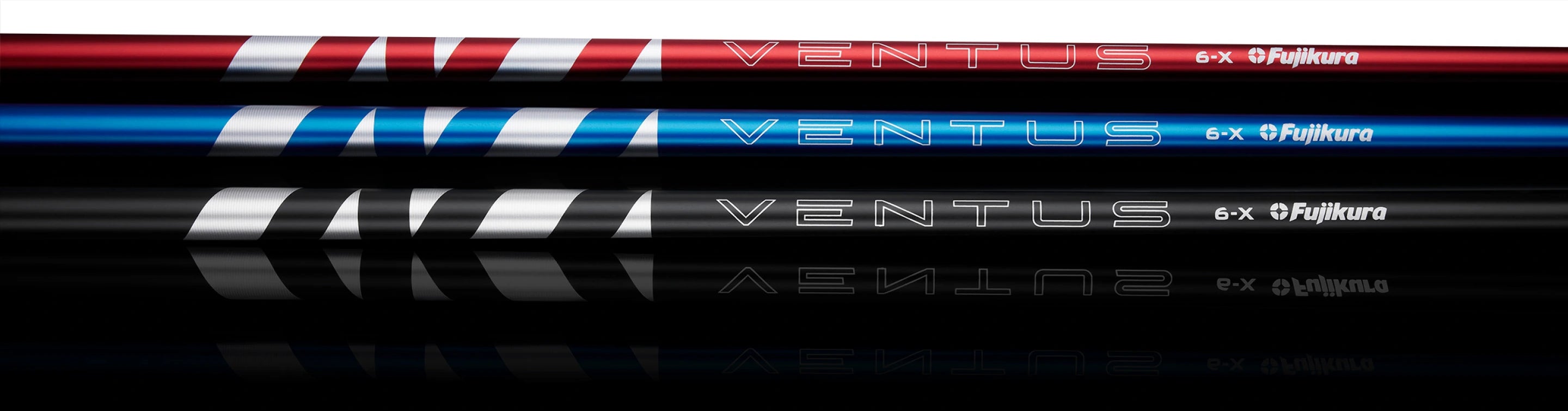
Within the Ventus line, Ventus White (2025 VeloCore+) is the highest launching option. If you are currently in Ventus Black and seeing a flat flight, moving to Ventus White can raise launch while staying in the same premium platform.
Ventus Blue sits in the mid-launch category. It is a balanced option for players who need a slight launch increase without moving all the way into the highest launching profile.
Outside of Ventus, Mitsubishi Tensei 1K Blue and Graphite Design Tour AD DI are both strong mid-launch profiles. They are built to help the head deliver more dynamic loft without adding excessive spin.
If your swing speed is moderate and the ball is coming out flat, these profiles are built to help you recover carry distance without changing your swing.
When It Is Not the Shaft
The shaft is a major factor in launch, but it is not the only one.
If you are hitting down on the ball with driver, playing the ball too far back, or using a very low-lofted head, launch will stay low no matter what shaft you install.
Also, if spin is extremely low, under 1800 rpm, simply adding a higher launch shaft may not fully solve the problem. Launch and spin work together. Both must be in a playable window.
That said, many golfers move into low-launch, tip-stiff profiles that are built for higher swing speeds. If your speed is moderate and your flight is flat, the shaft is often the easiest and most immediate correction.
Before changing your swing, make sure the equipment is not fighting you.
Driver Launch and Shaft Specs Frequently Asked Questions
What launch angle is too low for a driver?
For most golfers, anything under 11 to 12 degrees is too low.
Players swinging 85 to 100 mph typically optimize carry between 12 and 15 degrees depending on spin. If launch drops into single digits, you are almost always losing carry distance.
Higher speed players can sometimes launch lower and still maximize distance, but even they need the right spin window to make it work.
If your ball flight looks flat and falls out of the air quickly, your launch angle is likely below optimal.
Can a softer shaft really increase launch?
Yes, if it matches your swing.
A softer profile, especially in the tip section, can add forward bend at impact. That increases dynamic loft and raises launch angle without you changing your swing mechanics.
But softer does not mean loose. It means properly matched.
If you are playing too stiff for your tempo, the shaft may not load correctly. That reduces kick and lowers launch. Moving into the correct flex or a more responsive tip profile can immediately raise initial launch.
The key is fit. The wrong soft shaft can add too much spin. The right one adds height and carry.
Does shaft weight affect launch angle?
Yes, more than most golfers realize.
Heavier shafts can reduce clubhead speed and make it harder to properly load the shaft. If the shaft does not bend enough during the downswing, you lose dynamic loft and launch stays low.
For many players in the 90 to 100 mph range, dropping 5 to 10 grams can increase launch and carry almost immediately. The lighter weight helps increase speed and improves the shaft’s ability to kick through impact.
That does not mean lighter is always better. It means weight must match your strength and tempo.
If your driver launches too low and you are in a heavy shaft, weight could be part of the problem.
Is low launch always caused by low loft?
No.
Loft is only one part of the equation. Launch angle is created by dynamic loft at impact, not just the number stamped on the head.
You can play a 10.5 degree driver and still launch it at 9 degrees if the shaft is too stiff, too tip-stable, or too heavy for your swing.
Attack angle also matters. If you are hitting down on the ball, launch will drop even with adequate loft.
Many golfers immediately adjust the loft sleeve when launch is low. Sometimes that works. But if the shaft profile is suppressing dynamic loft, the head adjustment alone will not fully fix it.
The correct launch window comes from head loft, attack angle, and shaft working together.
Should I change loft or shaft first to fix low launch?
Start with the shaft if your flight pattern suggests it.
If you are already in a low-launch profile and your swing speed is moderate, changing to a mid or higher launch shaft often produces a more natural correction than simply adding loft.
Adjusting loft can raise launch, but it can also change face angle and spin. That sometimes creates new problems.
If your current shaft is tip-stiff or too heavy for your tempo, it may be suppressing dynamic loft. In that case, the shaft is the cleaner fix.
Loft adjustments are fine tuning. The shaft profile determines how the head is delivered at impact.