
Does Torque Matter for Your Swing Speed?
Does Torque Matter for Your Swing Speed?
Yes, torque matters for your swing speed, but not in the way most golfers think.
Torque measures how much a shaft twists during the swing. It is listed in degrees. Lower torque means less twisting. Higher torque means more twisting. But torque is not about raw distance. It is about feel and face control.
If you swing faster, especially above 100 mph, lower torque can help reduce unwanted twisting at impact. That can tighten dispersion and keep the face more stable. If you swing slower, higher torque can feel smoother and help the club release more naturally.
The key point is this. Swing speed does not automatically require a certain torque. Your transition, tempo, and strike consistency matter just as much.
Torque should support your flex choice, not replace it.
What Shaft Torque Actually Means
Torque is a measurement of how much a golf shaft twists when force is applied. It is listed in degrees, usually between 2.0 and 5.5.
If a shaft has 2.5° of torque, it twists 2.5 degrees under testing pressure. A 4.5° torque shaft twists more under the same load.
Lower torque shafts feel tighter and more stable. Higher torque shafts feel softer and more active.
Important: torque does not change launch the way flex does. It does not directly increase distance. What it affects most is feel and face stability at impact.
That is why two shafts with the same flex can feel completely different. One might feel solid and controlled. The other might feel smooth but slightly loose through impact.
For serious players, torque becomes noticeable when dispersion starts widening or when the face feels inconsistent at strike.

How Swing Speed Influences Torque Preference
Swing speed changes how much force you apply to the shaft. The more force, the more the shaft wants to twist.
Players under 90 mph usually do not overpower most torque ratings. They can comfortably play 4.0 to 5.0 torque without losing control. In many cases, higher torque feels smoother and helps them square the face.
Players between 95 and 105 mph sit in the middle. This is where transition matters more than raw speed. A smooth 102 mph player may handle 4.0 torque fine. An aggressive 98 mph player may need something closer to 3.0 to keep dispersion tight.
Above 105 mph, lower torque often becomes more important. Strong transitions and late releases can exaggerate twisting. That is where 2.5 to 3.5 torque shafts tend to feel more stable.
Swing speed influences torque. But tempo determines how much it actually matters.

Low Torque vs High Torque: What Changes in Ball Flight?
Torque does not dramatically change launch or spin numbers. Flex and shaft profile handle most of that.
What torque affects is face stability at impact.
Lower torque shafts tend to feel tighter. For faster or more aggressive swings, this can reduce left miss tendencies and tighten dispersion. The clubface feels more controlled through impact.
Higher torque shafts feel smoother and slightly softer. For moderate swing speeds, this can help the club release naturally and improve feel. Some players find it easier to square the face with a little more torque.
If your miss is a wipey fade or inconsistent strike pattern, torque may be part of the issue. If your ball flight is already stable, changing torque alone will not suddenly fix distance or launch.
Torque fine tunes control. It does not overhaul ball flight.
When Torque Matters More Than Flex
Flex is the first filter. Torque is the refinement.
If you are clearly in the wrong flex, torque will not fix it. A 105 mph player in Regular flex will still fight control issues even if the torque is low.
Torque becomes more important once flex is correct.
This usually shows up in two situations.
First, aggressive transitions. Players who load the shaft hard from the top often overpower higher torque models. Even in the correct flex, the shaft can feel loose and dispersion widens.
Second, consistent ball strikers chasing tighter dispersion. At that level, small changes in face stability matter. Dropping from 4.5 torque to 3.0 can noticeably tighten left to right variance.
If you are deciding between two shafts in the same flex and weight, torque is often the deciding factor.
Flex builds the foundation. Torque sharpens the result.
How to Choose the Right Torque for Your Game
Start with swing speed. That gives you a general range.
Under 90 mph, higher torque is usually fine.
90 to 105 mph, match torque to your transition.
Above 105 mph, lean toward lower torque for stability.
Next, look at your miss.
If you fight a left miss or inconsistent face control, lower torque can help tighten dispersion.
If you struggle to square the face or your swing feels rigid, slightly higher torque may improve feel.
Do not choose torque in isolation. It must align with flex, weight, and shaft profile.
If you are between two shafts that match your swing speed and flex, torque is often the tiebreaker.
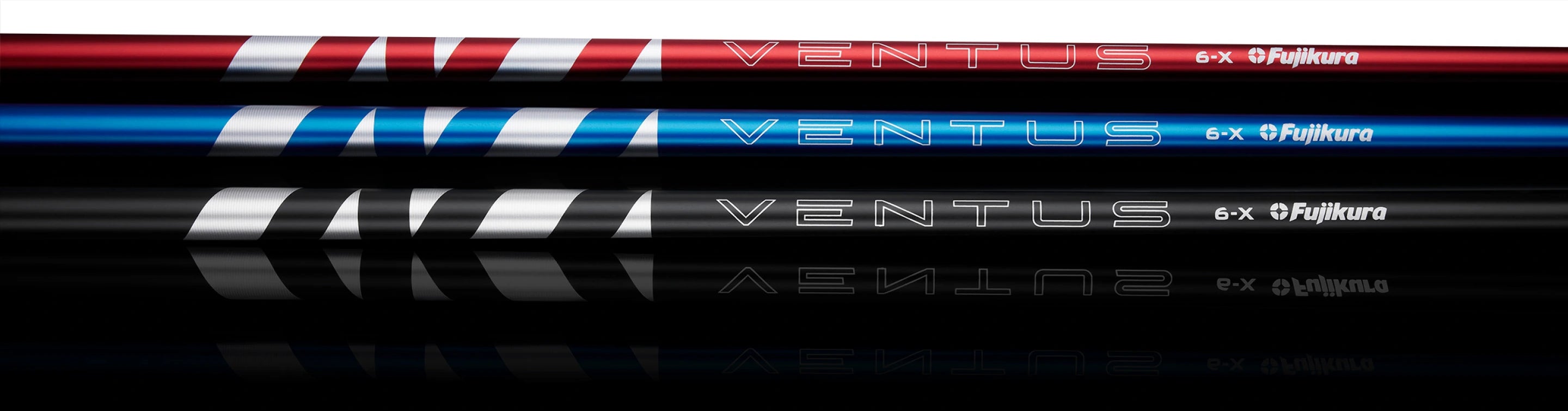
For example, compare a low-torque option like the Ventus Black to a mid-torque model in the same flex.
For serious golfers, torque is not about distance. It is about control.
Frequently Asked Questions About Shaft Torque
Does lower torque mean stiffer shaft?
No. Torque and flex are different measurements.
Flex measures how much the shaft bends during the swing. Torque measures how much it twists.
You can have a stiff flex shaft with higher torque. You can also have a regular flex shaft with low torque. They are tested separately.
That is why two shafts labeled “Stiff” can feel very different. One may feel tight and stable. The other may feel smoother and more active through impact.
If you are choosing between flexes, always get flex right first. Then use torque to fine tune feel and dispersion.
What torque is best for a 100 mph swing speed?
For a 100 mph swing speed, most players fit into the mid-torque range, usually around 3.0 to 4.0 degrees.
At this speed, torque choice depends more on transition than raw speed.
If you have a smooth tempo and gradual downswing, something closer to 3.5 to 4.0 torque often feels stable without feeling harsh.
If you load the shaft aggressively from the top, you may benefit from something closer to 3.0 to tighten dispersion and reduce face twisting at impact.
There is no automatic number for 100 mph. It is a starting range. Your delivery and consistency determine where inside that range you fit.