
Distance Dropped but Swing Speed Didn’t? Shaft Mismatch Signs You Shouldn’t Ignore
Why Your Distance Dropped Even Though Swing Speed Stayed the Same
If your swing speed hasn’t changed but your distance has dropped, the problem usually isn’t effort. It’s efficiency.
Distance comes from ball speed, launch angle, and spin working together. You can swing 100 mph today and 100 mph next month, but if your shaft is delivering the club differently at impact, your ball speed and launch conditions can shift.
Common example: your spin jumps 400 to 800 rpm higher. Or your launch drops a degree or two. That alone can cost 10 to 20 yards without you realizing it.
Another sign is smash factor dropping. If you’re not striking the center as consistently because the shaft isn’t loading or unloading correctly for your tempo, you lose ball speed even though the radar still shows the same swing speed.
When speed stays stable but carry falls off, it’s usually a mismatch between your swing profile and the shaft’s bend profile, weight, or flex.
How the Wrong Shaft Kills Ball Speed
Ball speed is what actually creates distance. Swing speed only sets the ceiling.
If your shaft is too soft for your transition, it can add dynamic loft and increase spin. That leads to higher launch, ballooning shots, and reduced carry. You feel like you’re swinging it fine, but the ball is climbing and falling short.
If the shaft is too stiff or too tip-stable for your tempo, you may struggle to square the face. That creates lower smash factor, more toe or heel strikes, and inconsistent ball speed. You still swing fast, but energy transfer drops.
Weight matters too. A shaft that’s too heavy can slow down your sequencing. Too light can throw off timing. Both reduce centered contact.
When ball speed drops 2 to 3 mph, you can lose 6 to 10 yards immediately. That’s often not a strength issue. It’s a fit issue.
Launch and Spin Red Flags That Cost You Yards
You do not need a launch monitor to suspect a shaft issue. The ball flight tells you.
If your shots are launching higher than normal and falling straight down, spin is likely too high. That often happens when the tip section is too soft for your transition. You gain height but lose carry.
If the ball comes out flat and struggles to stay in the air, launch may be too low. A tip-stiff profile or incorrect flex can reduce dynamic loft at impact, costing carry even with solid contact.
Watch for these patterns:
• Higher flight with less roll
• Flat bullets that never climb
• Carry numbers inconsistent round to round
Even a one degree launch change or 300 to 500 rpm spin difference can shift total distance noticeably.
When speed stays the same but trajectory changes, the shaft profile is usually influencing impact conditions.
Miss Patterns That Signal a Shaft Mismatch
Your dispersion pattern often exposes a shaft problem before launch numbers do.
If you’re seeing more toe strikes and high-left misses, the shaft may be too soft or too active for your transition. The face can close too quickly, and strike moves outward. That costs ball speed and consistency.
If you’re blocking shots right or living on the heel, the shaft may be too stiff or too stable in the tip. You struggle to square it. Contact shifts inward. Smash factor drops.
Another red flag is random two-way misses. That usually means the shaft weight or profile does not match your tempo. Timing becomes inconsistent. You cannot predict the face at impact.
When contact pattern changes but swing speed stays steady, it is rarely coincidence.
Tempo and Load Problems Most Golfers Miss
Two golfers can both swing 100 mph and need completely different shafts.
Why? Tempo and transition.
If you load the shaft aggressively from the top, you need a profile that can handle that force without over-deflecting. A softer mid or tip section can get overwhelmed, adding loft and spin or causing timing issues.
If you have a smoother tempo, a very tip-stiff, low-torque shaft can feel boardy. You may struggle to load it. That leads to lower launch, inconsistent face control, and reduced ball speed.
This is where golfers get confused. They chase flex labels instead of matching profile to how they load the club.
When your tempo changes slightly over time but the shaft stays the same, performance can drift. Speed reads the same. Distance does not.
When to Change Flex vs When to Change Profile
Flex is not the first thing you should change when distance drops.
If your launch and spin are clearly too high or too low, that usually points to profile. The bend distribution through the butt, mid, and tip sections controls how the club delivers loft and face angle.
If you are striking it solid but trajectory is wrong, profile is the likely issue.
Flex becomes the focus when contact quality and face control are inconsistent. If you cannot feel where the clubhead is or timing feels off, moving from Regular to Stiff or Stiff to X may help.
Weight also plays a role. Sometimes the fix is not stiffer, it is heavier. Or not softer, but lighter.
The goal is simple. Optimize ball speed, launch, and spin for your swing speed and tempo. Not chase a label.
How to Test if Your Shaft Is the Problem
Start with ball speed and spin. If swing speed is steady but ball speed is down or spin has climbed, that is your first clue.
Next, check strike pattern. Use face tape or spray. If impact has moved toe or heel compared to your normal pattern, the shaft may not be delivering the head consistently.
Then look at trajectory window. Are shots climbing higher than they used to? Are they coming out flatter with less carry? Small changes in launch and spin can cost noticeable distance.
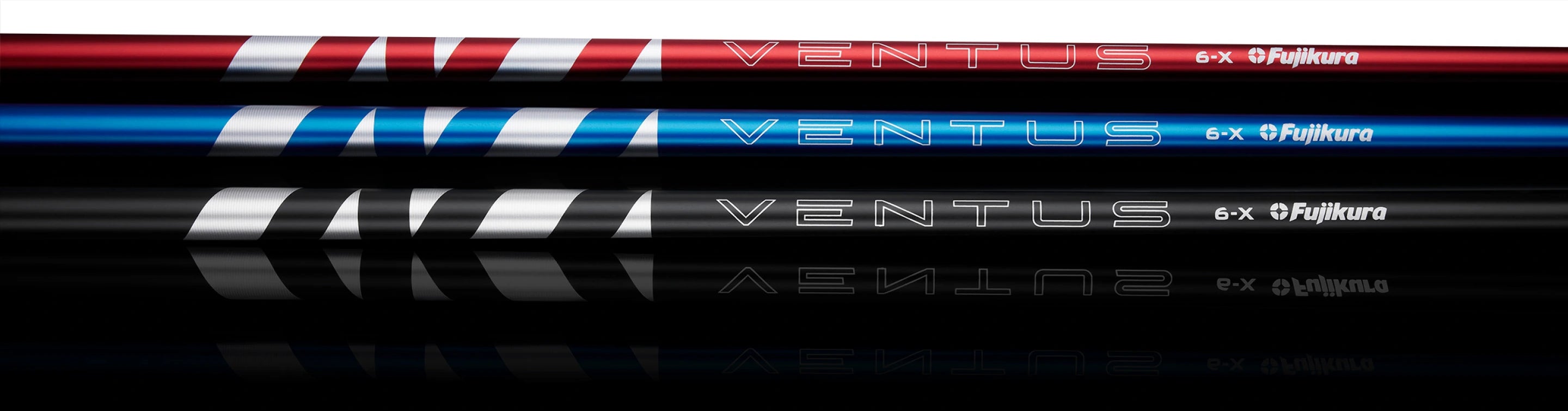
If possible, test a different profile before changing heads. Try one shaft that is slightly heavier or more tip-stable. For example, profiles like Ventus Black or Tour AD XC are designed to reduce spin and stabilize impact. Then try one that is slightly smoother in the mid section.
You are not chasing feel. You are watching ball speed, launch, spin, and strike consistency.
If numbers improve immediately with a different profile, you have your answer.