
Best Driver Shaft Setup for Aggressive Transition (Weight, Flex, Torque Explained)
What Is an Aggressive Transition in the Golf Swing
An aggressive transition means you start the downswing fast and with force. There is very little pause at the top. The club changes direction quickly, and the shaft gets loaded hard early in the swing.
This matters because the shaft has to keep up with that force. If it cannot, it will bend too much, lag behind, and deliver the clubface inconsistently.
Most aggressive players fall into one of these patterns:
- Quick tempo from the top
- Strong pull on the handle
- High speed early in the downswing, not just at impact
If that sounds like you, your shaft choice is not optional. It directly controls face stability, strike consistency, and ball flight.
A softer or lighter shaft might feel good at first, but under real speed it usually leads to hooks, high spin, or timing issues. That is why aggressive transition players need a more stable setup built for control, not just distance.
Why Aggressive Transitions Need a Different Shaft Setup
When you transition aggressively, you load the shaft earlier and harder than most players. That changes how the shaft bends and how the clubface arrives at impact.
A standard or softer setup cannot recover fast enough. The shaft can lag behind, then kick too late. That leads to inconsistent contact, left misses, or ballooning shots.
The goal is not just stiffness. It is stability during the transition.
Aggressive players need:
- A shaft that resists early overloading
- A profile that stays stable through the downswing
- Weight that matches their tempo so timing stays consistent
If the shaft is too soft, you lose control.
If it is too light, your timing speeds up even more.
A proper setup keeps everything synced. You still swing aggressively, but the shaft holds its shape and delivers the clubface more consistently.
That is where flex, weight, and torque all come together.
Best Shaft Flex for Aggressive Transition Players
Aggressive transition players almost always need more flex stability than they think.
If you load the shaft hard from the top, a regular or soft stiff flex will usually feel fine in practice swings but break down at full speed. That is where hooks, timing issues, and inconsistent strikes show up.
In most cases:
- 95–105 mph swing speed → Stiff minimum, often tipped or firm profile
- 105+ mph → X-Stiff becomes the safer starting point
But swing speed alone is not enough. Transition matters more.
Two players at the same speed can need different flex:
- Smooth tempo → can play softer
- Aggressive transition → needs firmer to stay stable
What you are really looking for is a shaft that does not feel like it “whips” from the top.
If you feel the head lag too much or flip through impact, the shaft is too soft.
A properly fit flex will feel tight, controlled, and repeatable even when you swing hard.
Ideal Shaft Weight for Control and Timing
Weight is one of the most overlooked factors for aggressive transition players.
If the shaft is too light, your tempo speeds up even more. That makes it harder to control the club during the transition, and timing becomes inconsistent.
Most aggressive players perform better with slightly heavier shafts because the added weight:
- Slows down the transition just enough
- Improves sequencing
- Helps you feel where the clubhead is
General starting points:
- 50g range → Usually too light for aggressive transitions
- 60g range → Good baseline for many players
- 70g+ → Best for stronger, faster, more forceful transitions
Heavier does not mean slower swing speed. In many cases, it actually improves center contact and consistency, which leads to better distance overall.
If your misses are scattered and your swing feels rushed, your shaft may be too light.
The right weight will feel stable, controlled, and repeatable from the top.
How Torque Affects Dispersion for Fast Transitions
Torque measures how much the shaft twists during the swing. For aggressive transition players, this directly impacts face control.
If torque is too high, the shaft can twist more during that hard transition. That makes the clubface harder to control, especially under speed. The result is wider dispersion and more left or right misses.
Lower torque shafts are typically better for aggressive players because they:
- Reduce unwanted twisting
- Keep the face more stable through impact
- Tighten shot dispersion
General guideline:
- 4.5°+ torque → More feel, less stability
- 3.5°–4.5° → Balanced range
- Below 3.5° → More control for aggressive swings
But there is a tradeoff. Extremely low torque can feel harsh or boardy if it does not match your swing.
The goal is not the lowest number. It is controlled stability without losing feel.
If your misses feel like the face is flipping or over-rotating, torque is likely too high.
Launch and Spin Considerations for Aggressive Swings
Aggressive transition players tend to add dynamic loft and spin without realizing it.
Because you load the shaft hard from the top, a softer or higher launching shaft can kick too much through impact. That increases launch and spin, which leads to ballooning shots and loss of distance.
Most aggressive players benefit from:
- Mid to low launch profiles
- Mid to low spin profiles
- Tip-stiff shaft designs
This keeps the ball flight more controlled and penetrating.
If your ball flight looks high with little roll, or climbs late in the air, your shaft is likely adding too much spin.
On the other hand, going too low launch or too stiff without enough speed can cause low bullets that fall out of the air.
The goal is a balanced flight:
- Strong initial launch
- Controlled peak height
- Consistent rollout
Getting this right depends on matching your transition with the correct bend profile, not just flex.
Common Shaft Mistakes Aggressive Players Make
The biggest mistake is choosing a shaft based on swing speed alone.
Aggressive transition players often swing fast, but the real issue is how they load the shaft. If you ignore that, you end up in the wrong setup even with the right speed range.
Common mistakes:
- Playing too soft of a flex because it “feels smooth”
- Using a lightweight shaft that speeds up tempo even more
- Choosing high torque shafts that increase face rotation
- Picking high launch profiles that add spin and lose distance
Another mistake is chasing distance instead of control.
A softer shaft might give you a few longer shots, but your misses get worse. Over time, that costs you more distance than it gains.
Aggressive players should build for consistency first. When strike and face control improve, distance follows naturally.
If your miss is unpredictable or timing feels off, your shaft setup is likely working against your swing, not with it.
Recommended Driver Shafts for Aggressive Transitions
Aggressive transition players should look for shafts with firm handles, stable mid sections, and tip stiffness. These designs resist early loading and keep the clubface more controlled through impact.
Strong options to consider:
-
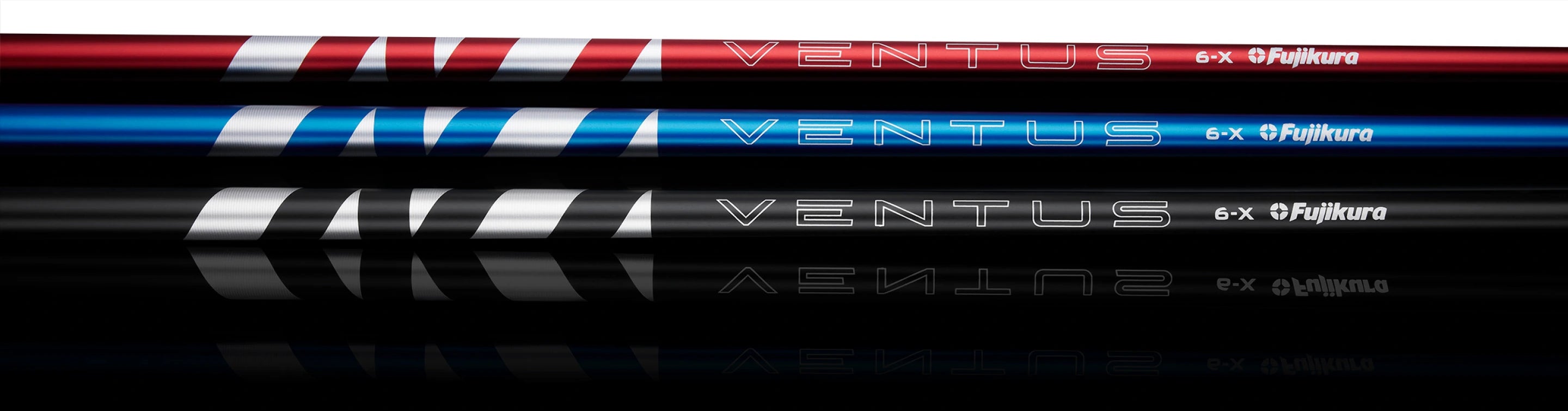
Fujikura Ventus Blue VeloCore+
Balanced profile with strong stability. Works well if you want control without feeling overly boardy. -
Mitsubishi Tensei 1K Black
Low launch, low spin with a very stable tip. Ideal for faster, more aggressive players. -
Project X HZRDUS Smoke Black RDX
Known for a stiff handle and low torque. Great for players who really load the shaft hard. -
Graphite Design Tour AD XC
Firm tip with controlled launch. Good mix of feel and stability.
These are not random picks. They all share one thing: stability under force.
The exact model depends on your swing speed and feel preference, but if you have an aggressive transition, this category of shafts is where you should be looking.
How to Test and Dial in Your Shaft Setup
Do not guess your setup. Test it with a clear goal.
Start by comparing two shafts:
- Your current shaft
- A heavier, lower torque, or stiffer option
Hit both with full swings, not half speed.
Pay attention to:
- Strike location
- Ball flight height
- Left and right misses
- How stable the shaft feels from the top
Signs you found a better fit:
- Tighter dispersion
- More centered contact
- Ball flight looks more controlled
- Swing feels synced, not rushed
If the shaft feels like it “keeps up” with your transition, you are close.
If it feels like the head lags or flips, it is too soft or too light.
This is not about chasing one perfect shot. It is about repeatability.
Once you see consistent patterns improve, you have your setup.